

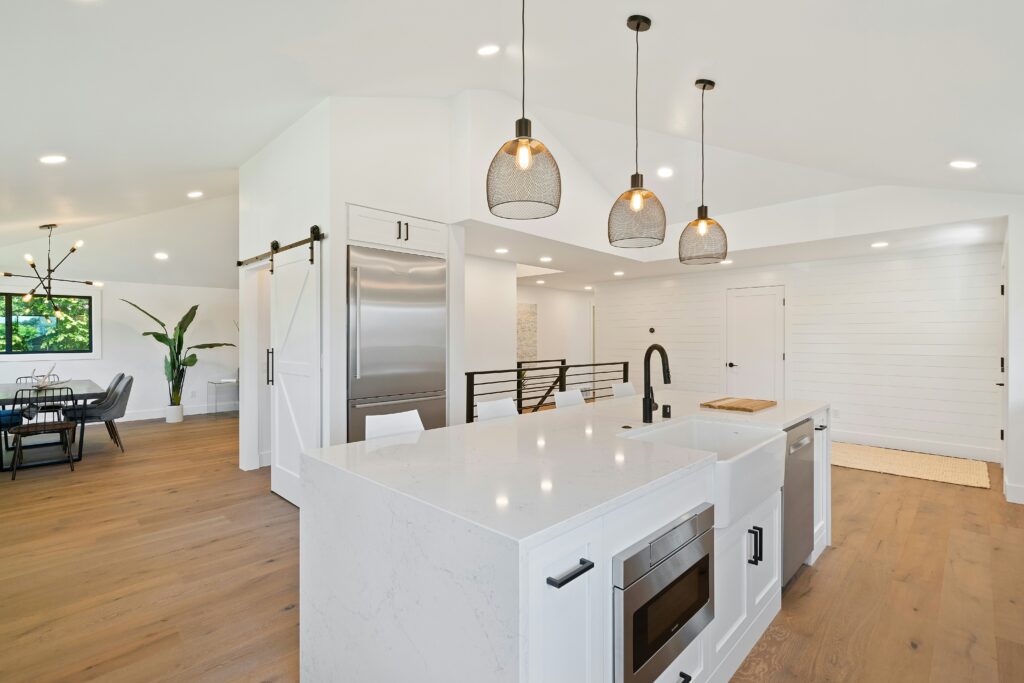
Budgeting is one of the most important and most misunderstood parts of any remodeling project. Before demolition begins, before materials are ordered, and before permits are filed, the financial structure of the project determines whether the experience feels organized and controlled or stressful and unpredictable.
Understanding how to budget for a home remodel requires more than choosing a number that feels comfortable. Remodeling is not a fixed-price retail purchase. It is a construction process that unfolds in stages, often revealing hidden conditions and requiring coordinated work across multiple skilled trades. Structural framing, plumbing infrastructure, electrical capacity, ventilation systems, insulation levels, and code compliance all influence final cost.
For homeowners in Western Massachusetts and Northern Connecticut, budgeting requires additional awareness of regional housing patterns. Many homes in this area were built between the 1950s and early 2000s. These homes frequently include cast iron plumbing stacks, aging copper supply lines, electrical panels that predate modern appliance demands, hydronic baseboard heating systems, and insulation levels that do not meet current standards. Even homes that appear cosmetically updated may conceal outdated infrastructure behind finished walls.
A realistic remodeling budget does not focus only on cabinets, tile, or fixtures. It accounts for the structure supporting those finishes. It anticipates mechanical upgrades where necessary. It prepares for reasonable uncertainty. Most importantly, it aligns expectations with construction realities before work begins.
The goal is not simply to limit spending. The goal is to reduce risk while protecting long-term value.
Begin With Detailed Scope Definition
The single most important step in learning how to budget for a home remodel is defining the project clearly before discussing numbers. Budget conversations that begin without defined scope almost always result in revisions later.
When homeowners say they want to remodel the kitchen, that statement can mean very different things. It could mean replacing cabinet doors and countertops while maintaining the existing layout. It could mean relocating the sink, adding an island, removing a wall, upgrading electrical service, replacing flooring throughout the first floor, and installing new windows. Each version of that kitchen remodel carries a dramatically different cost profile.
The same principle applies to bathrooms. Replacing a vanity and installing new tile while keeping plumbing in place differs significantly from expanding a shower footprint, relocating drains, installing a curbless entry, upgrading ventilation, and reinforcing framing.
Clear scope definition should answer questions such as:
- Are walls being removed or added?
- Are plumbing fixtures staying in place?
- Are structural beams required?
- Will electrical panels need upgrading?
- Is work limited to one room or extending into adjacent areas?
- Are mechanical systems being adjusted?
In professionally managed kitchen remodeling and bathroom remodeling projects, contractors document scope thoroughly before presenting detailed pricing. Drawings, allowances, and finish selections are clarified early. This documentation reduces change orders, prevents misunderstandings, and supports accurate budgeting.
Without scope clarity, budget estimates are guesses. With scope clarity, they become projections grounded in measurable work.
Understand How Remodeling Budgets Are Structured
Homeowners reviewing proposals often see a single total number without understanding how that number was built. Remodeling budgets are layered. Each layer contributes to the final investment.
Labor is typically the largest component. Skilled trades must work in coordinated sequence. Demolition crews remove existing finishes carefully to protect structural elements. Carpenters adjust framing, install backing, and correct structural deficiencies. Plumbers reroute supply lines and drainage. Electricians upgrade wiring, install circuits, and bring systems into code compliance. HVAC technicians adjust ventilation or heating systems. Tile installers, drywall professionals, painters, and finish carpenters complete visible surfaces.
Labor also includes project supervision, scheduling coordination, site management, and inspection sequencing. Construction rarely moves in a straight line. Materials must arrive on time. Subcontractors must align availability. Inspections must be passed before the next stage begins. Proper coordination prevents delays that can increase cost.
Materials form the second major layer. Structural materials such as framing lumber, subfloor panels, insulation, and drywall provide foundational integrity. Finish materials — cabinetry, countertops, tile, flooring, fixtures, hardware — define aesthetics and functionality. Material selection dramatically affects budget. Stock cabinetry and laminate counters differ from custom millwork and natural stone. Standard ceramic tile differs from imported porcelain or large-format slabs.
The third layer includes project management, overhead, and compliance. Permits must be filed. Inspections must be scheduled. Waste must be disposed of properly. Sites must be protected. Scheduling must be coordinated across trades. These components ensure that the project runs safely and legally.
When bids vary widely, differences often exist in how these layers are calculated. Some proposals may assume minimal structural corrections. Others may include stronger contingency planning and more detailed labor allowances. Understanding structure behind pricing helps homeowners compare proposals accurately.
The Primary Cost Drivers in a Remodel
Certain decisions consistently drive remodeling costs higher. Layout changes involving plumbing relocation are among the most significant. Moving a sink, shower, or range requires reconfiguring supply lines, drains, and venting. These adjustments often require cutting into floors or walls and may trigger inspections.
Structural changes are another major cost driver. Removing load-bearing walls requires engineered beams and additional framing support. Even widening a doorway can require header reinforcement depending on the framing above.
Finish level is equally influential. Custom cabinetry, professional-grade appliances, imported tile, and specialty lighting increase cost not only due to material price but also installation precision and labor time.
Understanding these drivers allows homeowners to make informed trade-offs during budgeting discussions.
Why Bids Differ More Than Expected
One of the most confusing aspects of remodeling budgeting is receiving proposals that vary by tens of thousands of dollars. Homeowners may assume one contractor is overpriced or another is inefficient. In reality, differences often stem from assumptions and scope coverage.
A lower bid may assume that existing electrical panels are sufficient. It may assume plumbing relocation is simple. It may include limited material allowances that do not reflect final selections. It may exclude permit costs or project management overhead.
A higher bid may include allowances for code corrections, more realistic labor sequencing, and structured contingency planning. It may reflect longer project timelines to accommodate inspections and material lead times.
Price alone does not reveal scope completeness. When budgeting, homeowners should examine what is included, what is assumed, and what is excluded.
Clarity prevents misinterpretation.
Evaluate the Existing Condition of the Home
Remodeling budgets in Western MA and Northern CT must consider aging infrastructure. Homes in Springfield, Longmeadow, Enfield, and surrounding communities often present hidden conditions.
Electrical panels installed decades ago may not support modern appliances such as induction cooktops, double ovens, or high-capacity HVAC systems. Upgrading a panel adds cost but ensures safety and code compliance.
Cast iron drain stacks, common in older homes, may exhibit internal corrosion. Replacing sections during remodeling may prevent future leaks and structural damage.
Subfloors may reveal water damage once tile or vinyl is removed. Insulation levels behind exterior walls may be minimal. Framing may not align with new layout requirements.
These conditions are not defects in planning; they are realities of aging homes. Responsible budgeting includes the possibility of corrections once demolition reveals underlying structure.
Homes built before 1980 frequently justify contingency allowances toward the higher end of industry recommendations.
Budget Using Ranges Instead of Fixed Caps
Construction pricing is influenced by scope complexity, material selection, labor availability, and market conditions. Fixating on a single maximum number can create tension between design ambition and feasibility.
Instead, establish a realistic investment range. A cosmetic kitchen update that maintains layout may fall within a moderate range. A structural reconfiguration with wall removal, island plumbing, and full electrical upgrade falls into a higher category.
Similarly, a bathroom remodel that replaces fixtures without moving plumbing differs significantly from one that includes shower expansion, custom tile work, heated floors, and upgraded ventilation.
Providing a contractor with a financial range allows adjustments in scope and material selection without repeated redesign.
Flexibility supports better decision-making.
Build a Meaningful Contingency Plan
Contingency is one of the most critical components of learning how to budget for a home remodel. It protects against the unknown.
Industry standards typically recommend allocating between ten and twenty percent of projected cost for contingency. In older homes with aging infrastructure, leaning toward the higher end of that range is often prudent.
Contingency funds may cover structural reinforcement, plumbing corrections, electrical upgrades, or material price fluctuations. Without contingency, homeowners may be forced into rushed compromises or delayed decisions.
Contingency planning preserves quality and reduces emotional stress during construction.
Common Budgeting Mistakes That Lead to Cost Overruns
Even well-intentioned remodeling projects can experience financial strain when certain common mistakes are made during the planning stage. Understanding these pitfalls helps homeowners avoid unnecessary stress.
One frequent mistake is making finish upgrades after construction has already begun. Selecting higher-end materials mid-project can affect installation timelines and labor coordination. Changes during active construction are typically more expensive than decisions made during the planning phase.
Another issue is underestimating how small layout changes compound. Expanding a shower footprint slightly may require relocating plumbing. Relocating plumbing may require floor reinforcement. That reinforcement may impact adjacent finishes. Small adjustments often have broader structural implications.
Homeowners also sometimes compare bids based solely on total price without evaluating scope detail. A proposal that appears less expensive may exclude structural allowances or adequate material budgets. This can result in change orders later.
Finally, insufficient contingency planning increases stress when hidden conditions appear. In older homes, it is common to encounter outdated wiring or plumbing corrosion once walls are opened. Budgeting without preparation increases risk.
Avoiding these mistakes requires documentation, discipline, and clear communication.
Electrical and Heating System Adjustments
Modern remodeling frequently triggers electrical upgrades. Kitchens require dedicated circuits for appliances. Bathrooms require updated GFCI and ventilation standards. Electrical panels may require expansion to accommodate new loads.
Hydronic baseboard heating systems may conflict with new layouts. Relocating heating elements requires draining zones and adjusting piping.
Mechanical adjustments should be anticipated early to prevent surprise costs.
How Building Codes Influence Remodeling Costs
Building codes exist to ensure safety and durability. However, they also influence remodeling budgets.
When walls are opened during renovation, previously acceptable conditions may need updating to meet current standards. Electrical systems may require arc-fault protection. Bathrooms may require upgraded ventilation. Structural modifications often require inspection approval before finishes are installed.
These requirements protect homeowners long-term but should be anticipated in budget planning. In Western MA and Northern CT, permitting processes are structured and consistent. Working with an experienced contractor reduces unexpected compliance issues.
Budgeting responsibly assumes that once work begins, it must meet current standards.
Timeline and Budget Relationship
Project duration influences cost. Longer timelines may require extended supervision and coordination. Labor scheduling becomes more complex when inspections or material lead times delay progress.
Rushed timelines can increase cost due to overtime labor or expedited shipping. Realistic scheduling supports financial stability.
Protecting Long-Term Value
Budgeting should consider resale flexibility. Removing the only bathtub may reduce appeal to certain buyers. Over-customizing beyond neighborhood norms may limit marketability.
Balanced budgeting protects both personal enjoyment and future value.
Making a Confident Financial Decision
Understanding how to budget for a home remodel requires clear scope, structural awareness, contingency planning, and professional guidance.
When budgeting is realistic and structured, remodeling becomes a managed investment rather than a gamble.
Thoughtful preparation protects comfort, property value, and long-term satisfaction.
If you are planning a kitchen, bathroom, or full home remodel in Western Massachusetts or Northern Connecticut, structured pre-construction planning makes the difference between a controlled investment and an unpredictable project. Clear scope documentation, realistic allowances, and professional coordination are the foundation of accurate budgeting.
Frequently Asked Questions About Budgeting for a Home Remodel
How much does it cost to remodel a home per square foot?
Costs vary significantly based on scope and finish level. Cosmetic updates are lower than structural renovations involving plumbing and electrical relocation. Per-square-foot figures are helpful for general comparison but cannot replace detailed scope evaluation.
What is the biggest expense in a home remodel?
Labor and cabinetry are often the largest components in kitchen remodels. Plumbing and tile work frequently drive bathroom costs. Structural changes increase investment quickly.
How much contingency should I include?
Most professionals recommend 10% to 20% of the total budget, particularly in older homes.
Why do remodeling costs increase after demolition?
Hidden issues such as outdated wiring, plumbing deficiencies, or structural damage often become visible once walls are opened. Proper contingency planning reduces disruption.