

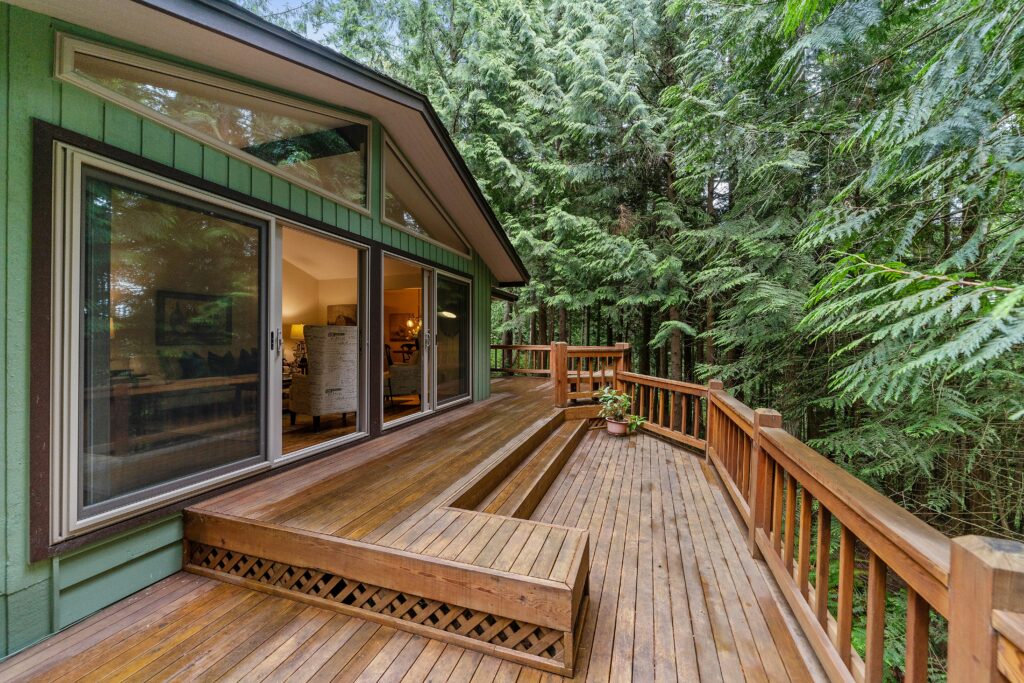
Adding a deck is one of the most popular home improvement projects in Massachusetts — and one of the best ways to add livable outdoor space and real value to your home. But before you start picking out materials or calling contractors, you need a realistic picture of what a deck actually costs in the Massachusetts market in 2026. This guide breaks down pricing by material type, deck size, and complexity, compares Trex, composite, and pressure treated wood side by side, and covers everything you need to know before signing a contract. If you want to skip straight to a number for your specific home, request a free estimate from Dan’s Construction and we’ll come take a look.
A note on pricing: The figures in this guide reflect general market rates for Western Massachusetts based on current industry data. Your actual cost will depend on your deck’s size, design, material selection, and site conditions. Contact us for a free on-site quote specific to your home.
What Does a Deck Cost in Massachusetts in 2026?
In 2026, most Massachusetts homeowners pay between $15,000 and $45,000 for a professionally built deck, depending on size, material, and complexity. That’s a wide range — and it reflects real differences in what homeowners are building. A simple ground-level pressure treated deck lands at the lower end. A multi-level composite deck with built-in seating, lighting, and cable railings lands at the higher end.
As a general baseline, here’s what Massachusetts homeowners typically pay per square foot depending on material:
- Pressure treated wood: $30 – $50 per square foot installed
- Composite decking (mid-range brands): $50 – $75 per square foot installed
- Trex (premium composite): $60 – $85 per square foot installed
- Premium hardwood (Ipe, Tigerwood): $75 – $110 per square foot installed
Massachusetts runs above national averages for deck construction — labor costs, permit fees, and material pricing in the Northeast all push numbers higher than what you’ll see in national guides. Western MA is generally more affordable than Greater Boston, but costs have stayed elevated heading into 2026 due to continued demand and material pricing. If you’ve been using a national cost calculator, adjust those numbers upward for the MA market.
Deck Cost by Size in Massachusetts
Size is the single biggest driver of deck cost. Here are approximate total project costs by deck size for a standard single-level pressure treated deck in Western MA — composite and Trex will run 40–70% higher for the same square footage:
- Small deck (100–150 sq ft): $5,000 – $10,000
- Medium deck (150–300 sq ft): $10,000 – $20,000
- Large deck (300–500 sq ft): $18,000 – $35,000
- Extra large or multi-level deck (500+ sq ft): $30,000 – $60,000+
These ranges assume standard framing, basic railings, and one stair section. Built-in features, premium railings, lighting, and elevated height all push costs above these baselines.
Trex vs. Composite vs. Pressure Treated — What’s the Difference?
This is the question most Massachusetts homeowners wrestle with, and it’s worth getting clear on before you commit to a material. Here’s a plain-language breakdown of each option:
Pressure Treated Wood
Pressure treated lumber is the traditional decking material — pine or fir that’s been chemically treated to resist rot, insects, and moisture. It’s the most affordable option upfront and has been the standard choice for New England decks for decades.
Pros: Lowest upfront cost, widely available, easy to repair, familiar look that suits most New England home styles.
Cons: Requires regular maintenance — staining or sealing every 1–2 years to prevent cracking, warping, and graying. In Massachusetts’s freeze-thaw climate, untreated or poorly maintained pressure treated decks deteriorate faster than in drier climates. Splinters over time as the wood ages. Typically lasts 15–25 years with proper maintenance.
Best for: Homeowners looking to minimize upfront cost, those who don’t mind annual maintenance, or projects where budget is the primary constraint.
Cost in Western MA: $30 – $50 per square foot installed. A 300 sq ft pressure treated deck typically runs $12,000 – $18,000 fully built.
Composite Decking (Non-Trex Brands)
Composite decking is made from a blend of wood fiber and recycled plastic. It looks similar to wood but requires far less maintenance — no staining, no sealing, and it won’t splinter or rot. Mid-range composite brands like TimberTech, Fiberon, and Deckorators offer solid performance at a lower price point than Trex.
Pros: Low maintenance, resistant to rot and insects, won’t splinter, holds color better than wood over time, better freeze-thaw performance than pressure treated in New England conditions.
Cons: Higher upfront cost than pressure treated. Lower-end composite products can fade, scratch, or feel less solid underfoot than premium options. Repairs require matching boards which can be difficult if the product is discontinued.
Best for: Homeowners who want the look of wood without the maintenance burden — a very common choice for Western MA homeowners who don’t want to be back on the deck every spring with a stain brush.
Cost in Western MA: $50 – $75 per square foot installed. A 300 sq ft composite deck typically runs $18,000 – $28,000 fully built.
Trex Decking
Trex is the most recognized brand in composite decking and the premium end of the composite market. Trex products are made from 95% recycled materials and are backed by some of the strongest warranties in the industry — 25-year fade and stain warranties on their higher-end lines.
Pros: Excellent durability, industry-leading warranty coverage, wide range of colors and profiles, strong brand recognition that resonates with homebuyers at resale, very low maintenance. Trex’s capped composite construction provides better scratch and stain resistance than uncapped products.
Cons: The highest upfront cost in the composite category. Like all composite, repairs require matching boards. Some homeowners feel premium composite doesn’t quite match the warmth and feel of natural wood.
Best for: Homeowners who want the best composite product available, plan to stay long term, or want a deck that holds its appearance and value for decades with minimal upkeep. We install Trex regularly through our deck installation service and it’s consistently one of the most requested materials among Western MA homeowners.
Cost in Western MA: $60 – $85 per square foot installed. A 300 sq ft Trex deck typically runs $22,000 – $32,000 fully built.
Which Decking Material Is Right for Massachusetts?
New England’s climate puts specific demands on outdoor materials — and the right choice depends on how you weigh upfront cost against long-term maintenance and performance.
If budget is the primary concern: Pressure treated is your starting point. It’s the most affordable way to build a quality deck, and in Western MA it performs well when properly maintained. The tradeoff is the ongoing maintenance commitment — plan on staining or sealing every 1–2 years to get the full lifespan out of it.
If you want low maintenance and a mid-range budget: Mid-range composite is the sweet spot for most Western MA homeowners. You pay more upfront than pressure treated but eliminate the ongoing maintenance cost and effort. In a climate where freeze-thaw cycles and moisture can accelerate wood deterioration, composite’s performance advantage is real.
If you want the best long-term value and plan to stay: Trex. The upfront cost is the highest, but the 25-year warranty, superior performance in New England conditions, and strong buyer recognition at resale make it the best long-term investment for most homeowners. Over a 25-year ownership period, the cost difference between Trex and pressure treated often narrows significantly when you factor in maintenance costs and potential early replacement.
A note on pressure treated framing: Regardless of which decking material you choose for the surface, the structural framing underneath — posts, beams, joists — is almost always pressure treated lumber. This is standard practice and the right approach. The decking material sits on top of that pressure treated frame.
What Factors Affect Deck Cost in Massachusetts?
Beyond material choice, several variables will move your project cost up or down:
Deck height and elevation — a ground-level deck requires less structural work than an elevated deck attached to a second story. Every foot of height adds cost — more framing, longer posts, more hardware, and additional safety requirements. Elevated decks in Massachusetts also require more substantial footings to handle frost depth, which is 48 inches in most of Western MA.
Railings — railings are one of the most significant add-ons to deck cost, often adding 20–40% to the total project price. Options range from basic pressure treated wood railings ($30–$50 per linear foot) to composite railings ($50–$80 per linear foot) to cable railings ($100–$200 per linear foot) and glass panel systems at the premium end.
Stairs — each stair section adds cost. A single straight staircase typically runs $1,500–$4,000 depending on height and material. Multiple stair sections or curved stairs add more.
Built-in features — built-in benches, planters, pergolas, lighting, and under-deck drainage systems all add to the project cost but significantly enhance the usability and appearance of the finished deck.
Ledger attachment vs. freestanding — attached decks connect to the house via a ledger board, which requires proper flashing and waterproofing to prevent water intrusion. Freestanding decks are structurally independent. Both are valid approaches, but freestanding decks require more posts and footings which adds cost.
Site conditions — steep slopes, rocky soil, difficult access, or proximity to wetlands can all increase the cost of footing installation and site prep. Western MA has plenty of sloped and rocky lots where these factors come into play.
Permits — Massachusetts requires a building permit for any deck attached to the home or over a certain size. Permit fees in Western MA typically run $300–$800 for a standard deck project. A reputable contractor pulls permits on your behalf — never skip this step.
Does a Deck Add Value in Massachusetts?
Yes — consistently. A well-built deck is one of the highest-ROI outdoor improvement projects for Massachusetts homeowners. Industry data suggests decks recoup 60–80% of their cost at resale, and in the current Massachusetts housing market where buyers are looking for functional outdoor living space, a quality deck can meaningfully differentiate your home.
Composite and Trex decks tend to hold their appearance better over time, which matters at resale — a pressure treated deck that hasn’t been maintained looks rough to buyers and can actually work against you. A composite deck that still looks sharp after 10 years is a genuine selling point.
Beyond resale, most homeowners find the everyday enjoyment of a well-designed outdoor living space is worth the investment on its own terms — especially during New England’s summers when every nice day feels precious.
Do You Need a Permit for a Deck in Massachusetts?
In most cases, yes. Massachusetts requires a building permit for any deck that is attached to the home, elevated off the ground, or over 200 square feet. Your contractor handles the permit application and coordinates required inspections on your behalf.
Inspections for a deck project in Western MA typically include a footing inspection before concrete is poured and a framing inspection before decking is installed. Some towns also require a final inspection at completion. Skipping permits on a deck creates the same problems as any unpermitted work — issues at resale, potential insurance gaps, and possible fines if discovered. For a full breakdown of the permitting process, check out our home addition permit guide which covers Massachusetts permitting in detail.
What’s Included in a Deck Installation Quote?
When comparing quotes from contractors, make sure you’re comparing the same scope of work. A complete deck installation quote should include:
- Site preparation and layout
- Footing excavation and concrete piers to Massachusetts frost depth (48 inches in most of Western MA)
- Pressure treated structural framing — posts, beams, joists, and ledger board
- Decking material installation — whatever surface material you’ve chosen
- Railing system installation
- Stair construction
- All hardware and fasteners
- Permit fees
- Final cleanup
If a quote is significantly lower than others you’ve received, ask what’s missing. Common omissions include permit fees, railing systems quoted separately, or footings priced at shallower depth than code requires. Our deck installation service provides detailed written estimates that break out every line item so you know exactly what you’re paying for.
Frequently Asked Questions About Deck Costs in Massachusetts
How long does it take to build a deck in Massachusetts? Most standard decks take 1–2 weeks to build once materials are on site and permits are approved. Permit approval in Western MA typically takes 2–4 weeks. Budget 4–6 weeks from contract signing to a finished deck for a typical project.
Is Trex worth the extra cost over pressure treated in Massachusetts? For most long-term homeowners in Western MA, yes. The maintenance savings alone — no annual staining or sealing — are significant over a 25-year period. Add in better performance in freeze-thaw conditions, stronger warranty coverage, and better resale appeal, and the premium over pressure treated is usually justified. The calculus is different if you’re planning to sell in the next few years, where a well-maintained pressure treated deck may be the more financially sensible choice.
Can I build a deck myself in Massachusetts? Homeowners can pull their own permits and do their own deck construction in Massachusetts. However, the work still needs to meet Massachusetts building code and pass inspections. Structural errors in deck construction — undersized footings, improper ledger attachment, inadequate railing connections — are safety hazards and can be expensive to fix after the fact. For most homeowners, hiring a licensed contractor is the safer and often more cost-effective path when you factor in material waste, tool rental, and time.
What’s the cheapest type of deck to build in Massachusetts? A simple ground-level pressure treated deck with basic railings and a single stair section is the most affordable option. Keeping the design rectangular, minimizing custom features, and using standard-dimension lumber for framing all help keep costs down.
How long does a deck last in Massachusetts? Pressure treated wood decks last 15–25 years with proper maintenance. Composite and Trex decks typically last 25–30+ years. The Massachusetts freeze-thaw climate is hard on outdoor materials — proper installation, adequate drainage, and in the case of wood decks, regular maintenance are what separate a deck that lasts from one that deteriorates prematurely.
Do I need footings for a deck in Massachusetts? Yes. Massachusetts building code requires footings that extend below the frost line — 48 inches in most of Western MA. This prevents frost heave from lifting and shifting the deck structure over winter. Footings that don’t go deep enough are the most common structural failure point in DIY and low-quality deck construction in New England. Always ask your contractor what depth they’re footing to.
What’s the best railing option for a Massachusetts deck? It depends on your priorities. Pressure treated wood railings are the most affordable. Composite railings match a composite deck and require no maintenance. Cable railings offer unobstructed views and a modern look at a higher price point. Glass panel railings are the premium option. For most Western MA homeowners, composite railings paired with a composite deck deliver the best combination of appearance, durability, and value.
Get a Free Deck Estimate in Western Massachusetts
If you’re thinking about adding a deck to your home, the best next step is having a contractor walk your property and give you a real number based on your actual site, your goals, and the material you’re considering. At Dan’s Construction Services, we’re based right here in Ludlow, MA and we’ve built decks across Western Massachusetts using pressure treated, composite, and Trex materials.
We also handle home additions, kitchen remodeling, bathroom remodeling, and roof installation — so if your deck is part of a larger project, we can manage the full scope under one contract.
Contact us today for a free on-site estimate with no pressure and no strings attached. You can also reach us at (413) 351-5125 or dansconstructionservice@gmail.com.